


The BlendED AI+X Global Talent Community hosted an inspiring workshop titled “Computer Vision for Smarter Healthcare,” featuring Dr. Alex — an MIT-trained researcher and Novartis imaging scientist known for his pioneering work in 3D organ mapping, ultrasound robotics, and AI-enabled clinical tools.
Participants from partner student clubs across Europe and Asia joined the session, exploring how AI, medical imaging, and computer vision are transforming diagnostics, clinical trials, and healthcare innovation.
Below are the key highlights from Alex’s deep-dive talk — from PhD research to startup experience and future opportunities for learners interested in medical AI.
Key Highlights from Alex’s Talk
1. MIT Research: 3D Organ Mapping Using Freehand Ultrasound + Sensor Fusion
📌 Innovation:
Alex developed a method to attach low-cost sensors (IMU + RGB/IR cameras) onto ultrasound probes so they can:
Track position/orientation
Reconstruct organs in 3D
Produce quantitative property maps
This enables CT-like 3D imaging at a fraction of the cost.
2. The Global Need for Smarter Medical Imaging
📌 Why it matters:
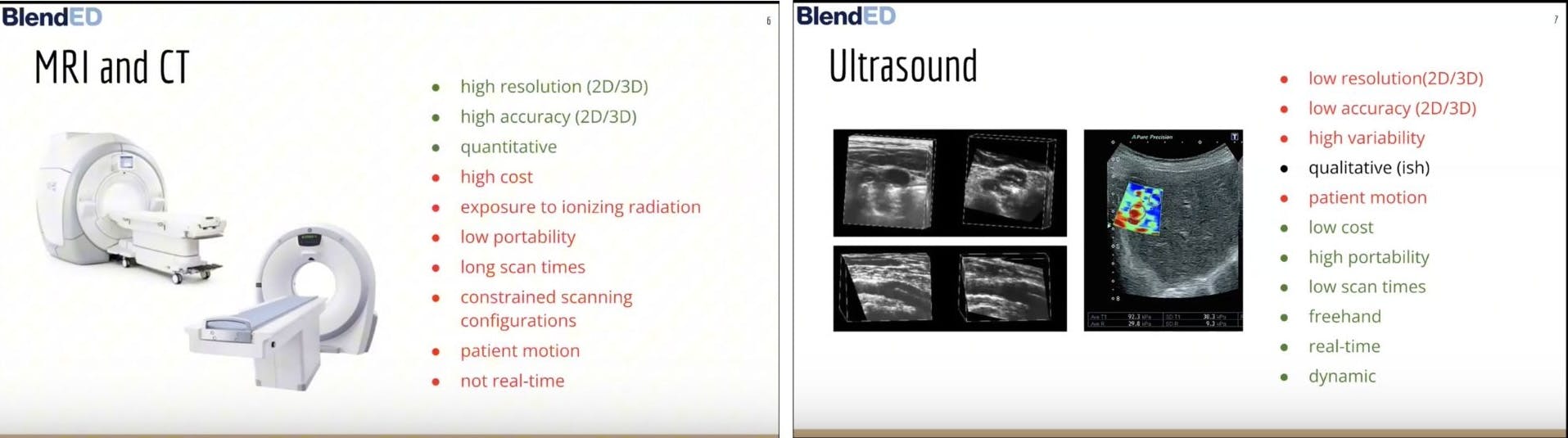
Current imaging standards like CT/MRI are accurate but expensive, slow, and inaccessible in many regions. Ultrasound is portable and low-cost — but inconsistent and operator-dependent.
“We need low-cost, portable ways to map organs in 3D — not just flat 2D slices.”
3. Multi-Scan Fusion — Achieving CT-Level Accuracy with Ultrasound
📌 Breakthrough:
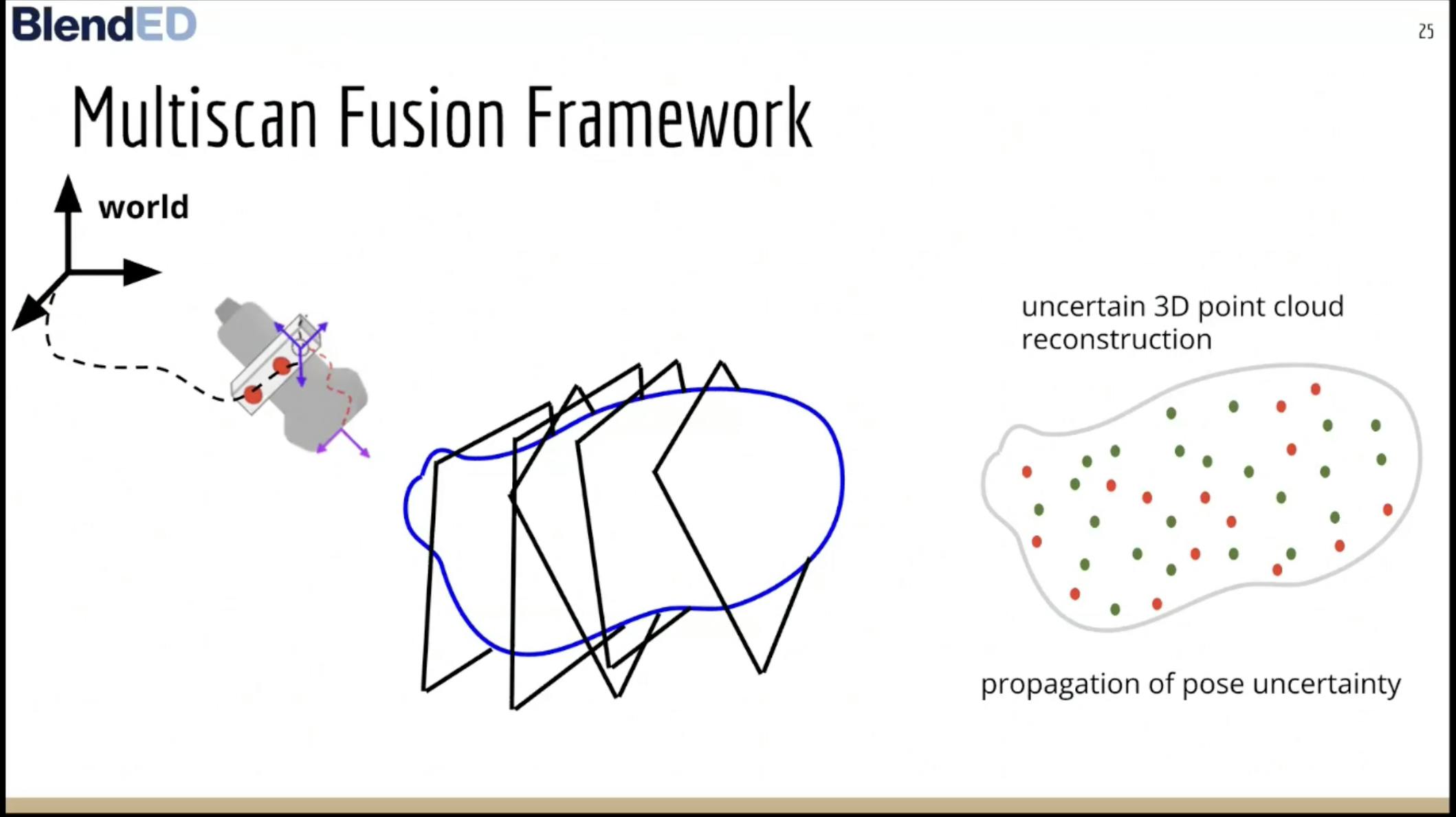
Single ultrasound sweeps produce noisy reconstructions.
Alex introduced multi-scan fusion, a method that:
Repeats scans from multiple angles
Identifies high-certainty vs low-certainty points
Reduces reconstruction error by merging “N scans”
Produces accurate 3D organ morphology
This technique matched — and sometimes exceeded — CT accuracy in validation tests.
4. Startup Journey: Sonic Vision — AR-Guided Spine Injections
📌 From lab to clinic:
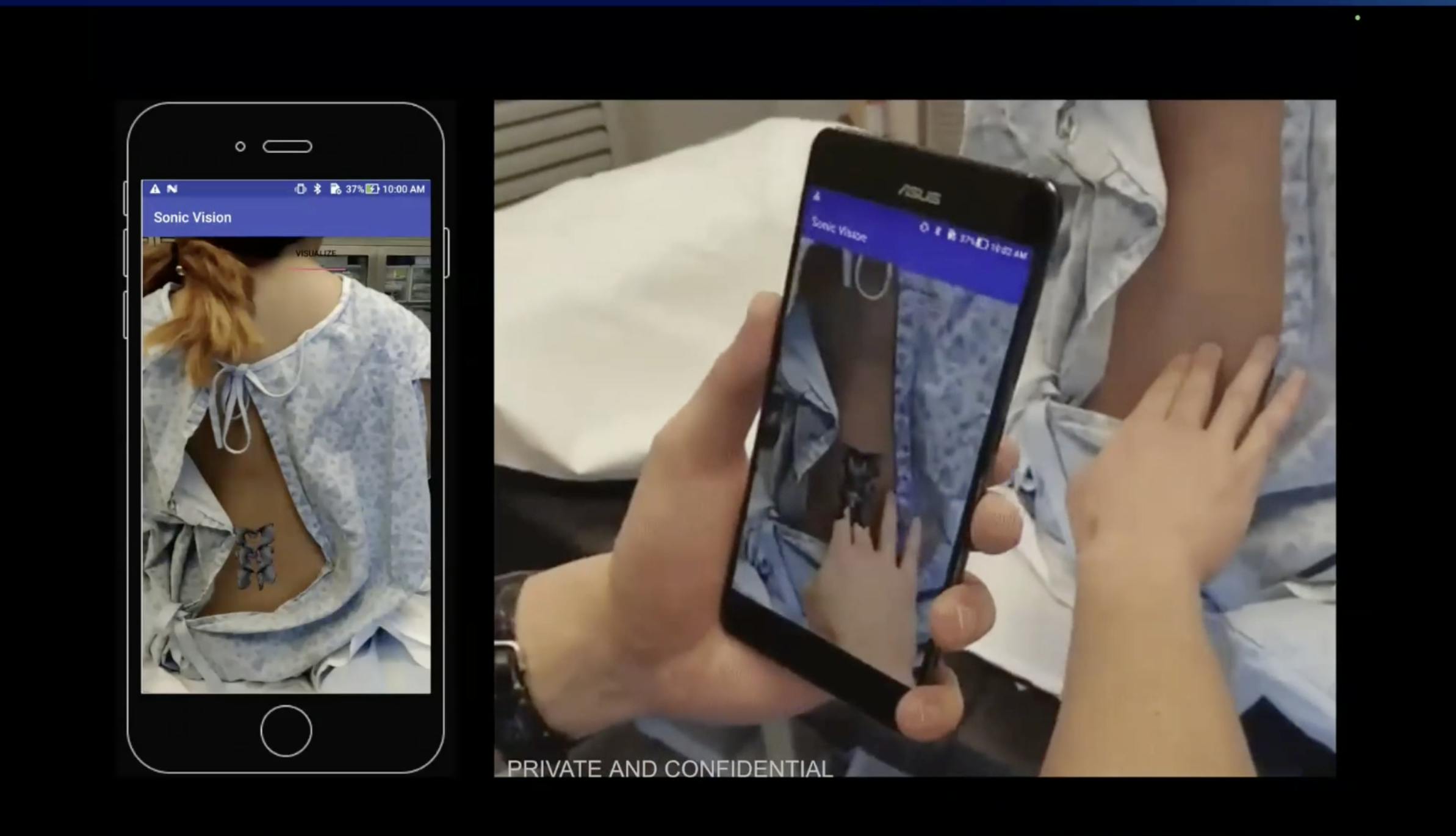
Inspired by his PhD work, Alex co-founded Sonic Vision, a medical device startup that uses:
Ultrasound scanning
Pose estimation
Real-time segmentation
AR visualization on a mobile phone
The system overlays a 3D spine model directly on the patient’s back and predicts needle trajectory for safer epidural injections.
📌 Real-world insight:
The technology worked — but adoption challenges (workflow complexity & clinician behavior) made commercialization difficult.
5. Sound-Speed Property Mapping — Detecting Disease From Within
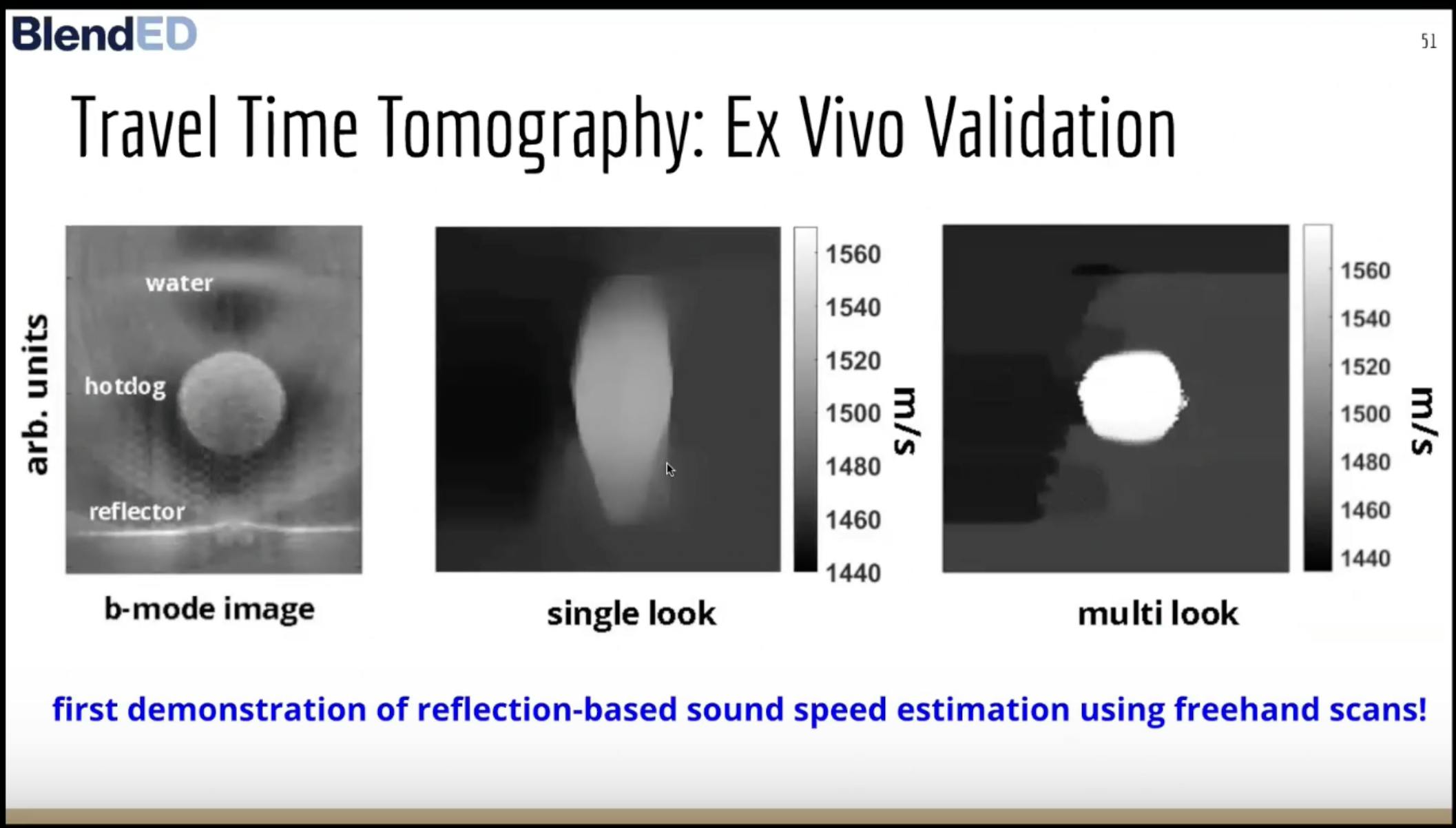
📌 Advanced imaging physics:
Alex demonstrated how scanning from multiple viewpoints allows AI to infer sound-speed maps, which correlate with:
Fat infiltration
Fibrosis
Healthy tissue
This has powerful implications for liver disease, kidney disease, and future non-invasive diagnostic tools.
6. Career Path Advice for Students Entering Medical AI
📌 Alex’s practical guidance:
To succeed in healthcare AI, students should prioritize:
Programming (Python, PyTorch)
Linear algebra
Calculus
Hands-on imaging/computer vision projects
Not medical knowledge.
“Master the fundamentals — deep learning becomes formulaic after that.”
🎯 Final Takeaways
Dr. Alex’s workshop underscored three major themes:
AI + ultrasound = a future of accessible, global diagnostics
Innovations succeed only when they integrate into clinical reality
Strong technical fundamentals open doors in medical AI — not medical background
His journey — from PhD research to a healthcare startup — showed learners how to convert academic work into real-world impact.
🚀 What’s Next?
The AI+X GTC will continue exploring frontier technologies with upcoming sessions in:
AI for Cybersecurity
AI for Aerospace
AI for Personalized Medicine
Learners interested in healthcare AI can also join Alex’s Project-Based Learning experiences in computer vision and bioscience innovation.
📺 Watch the Replay
Couldn’t join live? Don’t miss this in-depth discussion and Q&A.
https://www.loom.com/share/6ff5915716214f0aa6dca97ea86ecf60